

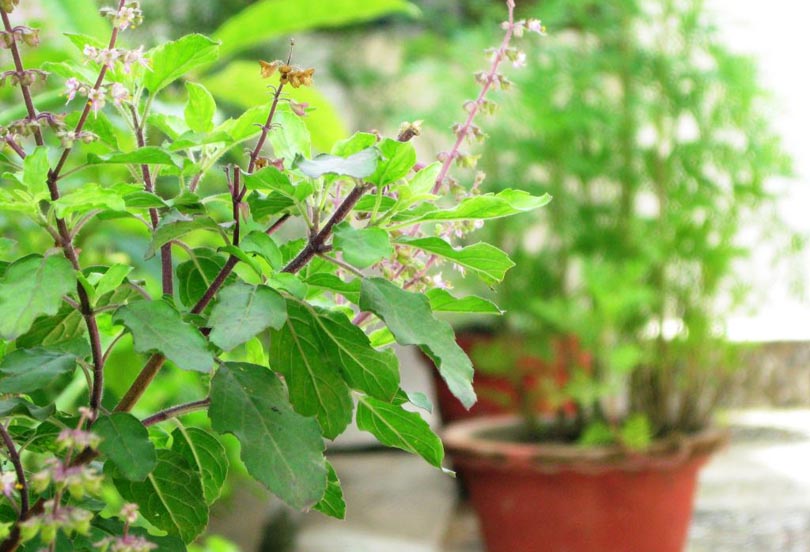
Kathmandu: Devotees across Nepal are observing Hari Shayani Ekadashi today with great devotion and religious fervour, marking the beginning of the sacred Chaturmas period. The auspicious day, observed on Ashadh Shukla Ekadashi in the Hindu lunar calendar, also marks the traditional start of a four-month period of special worship centred around the holy Tulsi (Holy Basil) plant.
As part of the tradition, Tulsi saplings that were planted on Jyeshtha Shukla Ekadashi a month ago are ceremonially transferred to household Tulsi shrines today. From now until Hari Bodhini Ekadashi in the month of Kartik, devotees perform daily prayers, light oil lamps, and offer special worship to Tulsi, which is revered in Hindu tradition as a sacred symbol of Lord Vishnu.
According to Hindu scriptures, Lord Vishnu enters a divine yogic sleep in the cosmic ocean (Kshir Sagar) on Hari Shayani Ekadashi and awakens four months later on Hari Bodhini Ekadashi. This sacred four-month period is known as Chaturmas, a time dedicated to prayer, fasting, charity, spiritual reflection, and religious discipline.
Although there are 24 Ekadashis in a year, many devotees who are unable to observe every fast choose to keep the eight Ekadashis that fall during Chaturmas. Others, due to work and daily responsibilities, observe fasting only on Hari Shayani Ekadashi and Hari Bodhini Ekadashi. On this day, devotees traditionally avoid rice and consume fruits and simple vegetarian foods such as bread and millet-based meals.
Temples dedicated to Lord Vishnu, including the famous Budhanilkantha Temple in Kathmandu and the four Narayan temples in the Kathmandu Valley, have witnessed large numbers of devotees since early morning. Worshippers are offering prayers for peace, prosperity, good health, and the well-being of their families.
Beyond its religious significance, Tulsi is also highly valued for its medicinal and environmental benefits. Widely used in Ayurveda, Tulsi is known for strengthening the immune system and helping treat various ailments. Scientific studies have also recognised its ability to improve air quality and contribute to a healthier environment, making it both a sacred and practical part of daily life.
The Chaturmas period concludes on Hari Bodhini Ekadashi, when Tulsi is ceremonially married to Lord Damodar (Lord Vishnu) in accordance with Vedic tradition. The Tulsi Vivah ceremony is followed by fire rituals (havan), marking the completion of the four-month religious observance.
Hari Shayani Ekadashi is regarded as one of the most significant festivals in the Hindu calendar, symbolising not only faith and devotion but also environmental awareness, spiritual discipline, and the preservation of Nepal’s rich cultural and religious heritage.