

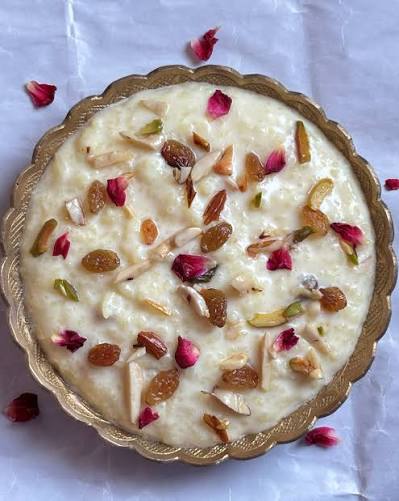
Kathmandu: Nepalis across the country are celebrating Shrawan 15 today by preparing and sharing kheer (rice pudding), a cherished culinary tradition that has been passed down through generations. The observance marks another important milestone in Nepal’s seasonal food culture, following Asar 15, when people traditionally celebrate by eating beaten rice (chiura) and yogurt.
Shrawan 15 falls during the peak of the monsoon season, when warm, freshly prepared kheer is believed to be both nourishing and beneficial for health. Made from milk, rice, sugar, ghee, and aromatic spices such as cardamom, kheer is regarded as a wholesome and energy-rich dish.
The tradition is closely linked to Nepal’s agrarian lifestyle. By mid-Shrawan, the intensive rice planting season has largely concluded, while abundant monsoon greenery provides ample fodder for livestock, resulting in increased milk production. Families traditionally use this time to prepare kheer and invite relatives, daughters, and close friends to share a meal, strengthening family bonds and community ties.
Beyond its culinary significance, kheer holds deep religious importance in Hindu tradition. Known as “Payasam” in Sanskrit, it is considered one of the purest and most auspicious foods. Hindu scriptures describe it as an essential offering in religious ceremonies, including worship, ancestral rites (Shraddha), and other sacred rituals.
The month of Shrawan is especially dedicated to Lord Shiva, and milk-based offerings are considered particularly sacred during this period. Many devotees prepare kheer, offer it to Lord Shiva at temples or home shrines, and then consume it as prasad (blessed food), believing it brings prosperity, peace, and good fortune.
While rice kheer remains the most popular variety, different regions of Nepal prepare the dessert using ingredients such as sago (sabudana), vermicelli, corn, carrots, and other locally available produce. Fresh corn, which becomes widely available during Shrawan, is also commonly used to prepare a seasonal variation of kheer.
According to the Nepali Brihat Dictionary, kheer is defined as “a delicious food prepared by cooking rice in milk with sugar and spices,” also known as payasam.
Shrawan 15 forms part of Nepal’s long-standing seasonal culinary calendar. Traditionally, Nepalis celebrate Asar 15 with yogurt and beaten rice, Shrawan 15 with kheer, Bhadra 15 with roasted corn, Poush 15 with ghee-based delicacies, and Magh 15 with malpuwa, reflecting the close relationship between agriculture, seasonal produce, and cultural traditions.
Although lifestyles have changed over the years, the tradition of celebrating Shrawan 15 with kheer remains deeply rooted in Nepali society. Families continue to gather, exchange greetings, and share homemade kheer, preserving a custom that symbolizes not only festive celebration but also Nepal’s rich cultural heritage, religious devotion, and enduring family values.