

Ancient Tradition Reflects Deep Religious Faith, Cultural Heritage, and Respect for Nature
Kathmandu: Hindu devotees across Nepal observed the sacred festival of Nirjala Ekadashi on Wednesday by planting Tulsi (holy basil) seeds in their homes and offering prayers to Lord Vishnu, continuing a centuries-old tradition rooted in religious faith and cultural heritage.
Nirjala Ekadashi, which falls on the bright fortnight of the Hindu month of Jyeshtha, is regarded as one of the most significant fasting days in the Hindu calendar. Religious scriptures believe that observing this single fast grants devotees the spiritual merit of all 24 Ekadashi fasts observed throughout the year.
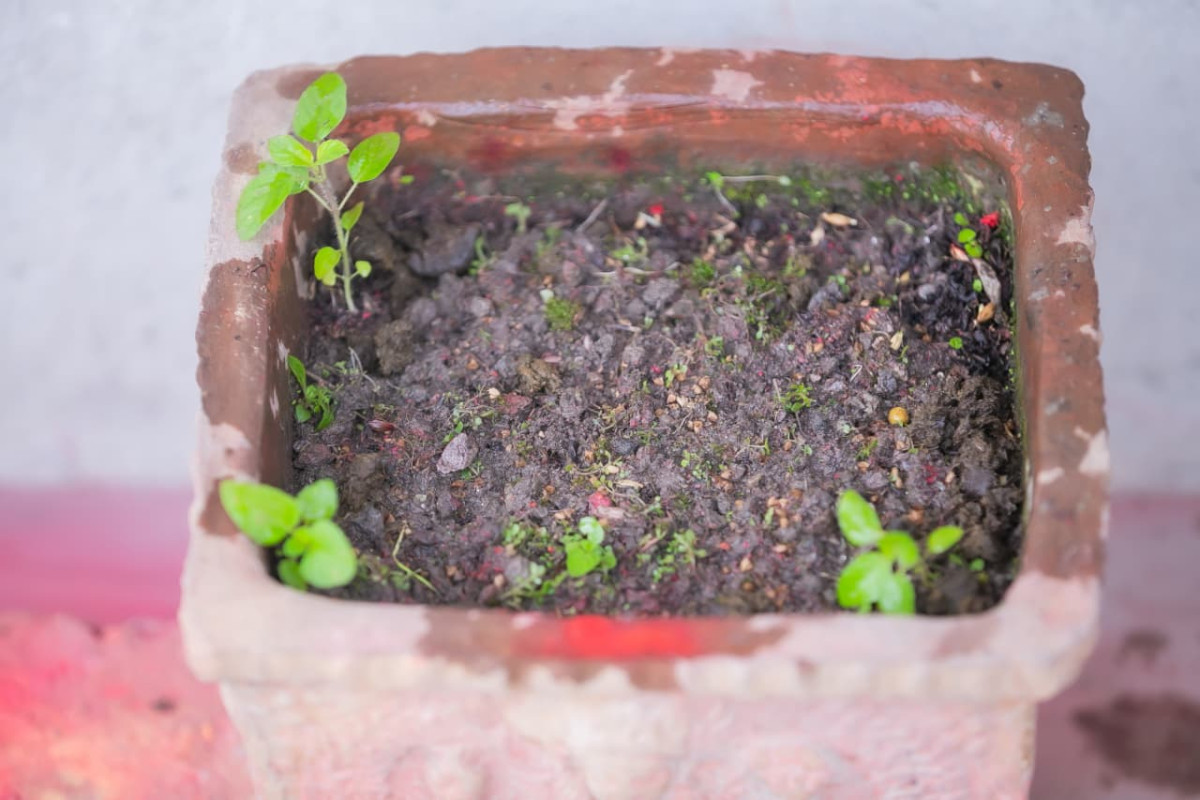
As part of the tradition, families sow Tulsi seeds on Nirjala Ekadashi. The seedlings that emerge are later ceremonially transplanted into a Tulsi shrine during Harishayani Ekadashi, which falls about a month later. The practice symbolizes devotion to Lord Vishnu, harmony with nature, and prayers for peace, prosperity, and family well-being.
Tulsi holds a special place in Hinduism and is considered the most beloved plant of Lord Vishnu. Many devotees believe that planting and worshipping Tulsi in the courtyard of a home brings positive energy, spiritual purity, and blessings to the household.
On this auspicious day, devotees observe a strict fast, often refraining from both food and water while spending the day in prayer, meditation, and the chanting of Vishnu’s name. Religious belief holds that even those unable to observe other Ekadashi fasts throughout the year can receive equivalent spiritual benefits by faithfully observing Nirjala Ekadashi.
Temples dedicated to Lord Vishnu and Lord Krishna witnessed large crowds of worshippers from the early hours of the morning. Popular pilgrimage sites, including Budhanilkantha Temple, Changu Narayan Temple, and Patan Krishna Mandir in the Kathmandu Valley, saw a significant influx of devotees seeking blessings and offering prayers.
Beyond its religious significance, Tulsi is also renowned for its medicinal properties. Widely used in Ayurveda, the herb is believed to strengthen immunity, support respiratory health, and help purify the environment. Experts often describe Tulsi as a plant that beautifully combines spiritual importance with practical health benefits.
As Nepal celebrated Nirjala Ekadashi, the planting of Tulsi seeds served as a reminder of the enduring connection between faith, family traditions, and environmental stewardship—values that continue to unite generations of devotees across the country.