
Kathmandu – More than four years after the government pledged to bring additional drinking water to Kathmandu from the Yangri and Larke rivers, construction on the ambitious projects has yet to begin, raising fresh concerns over the capital’s long-term water security.
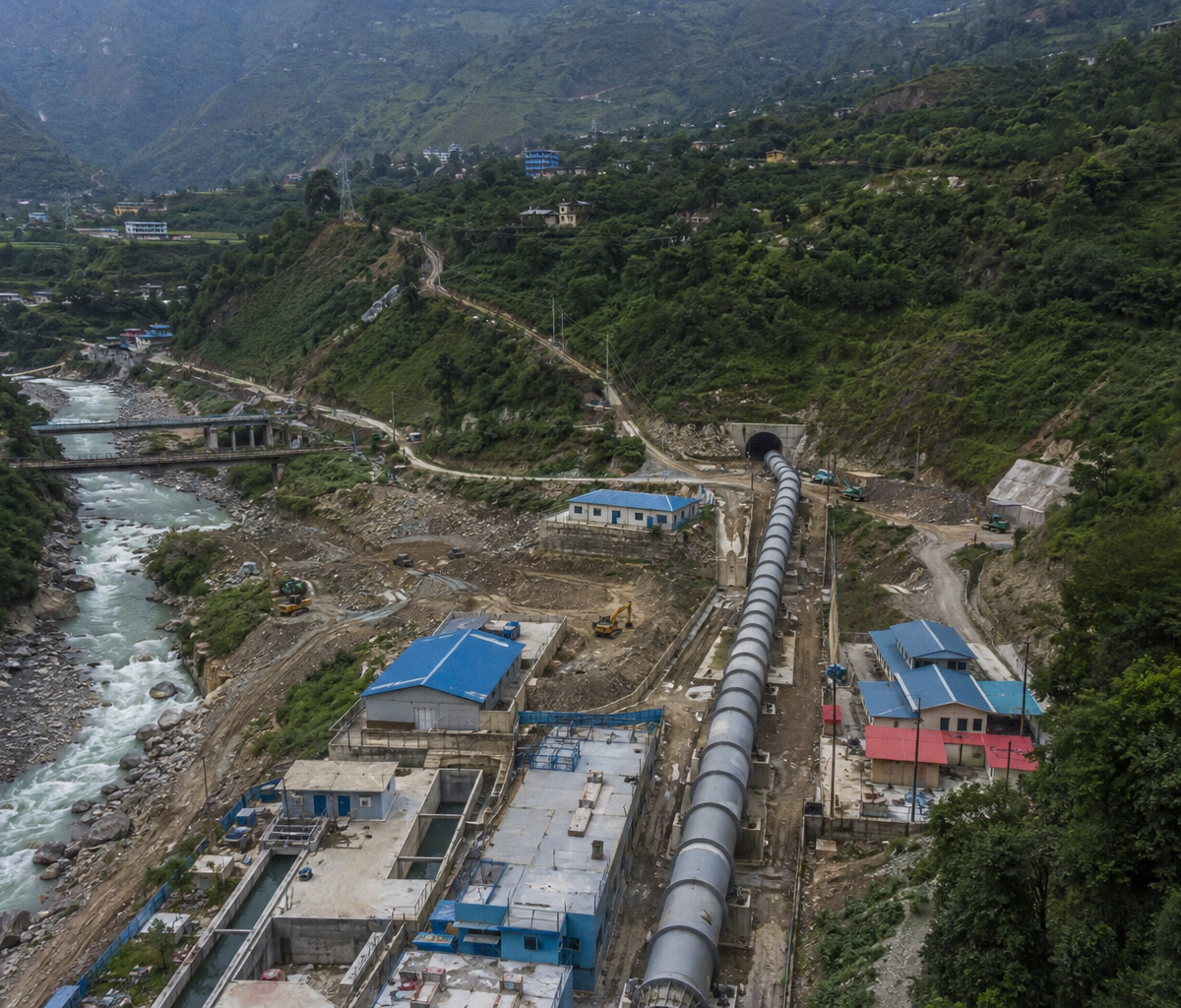
On April 2, 2021, then Prime Minister KP Sharma Oli inaugurated the distribution of Melamchi drinking water in Sundarijal and announced plans to supply additional water from the Yangri and Larke rivers within three years. However, the projects remain stuck in the planning stage due to funding shortages, technical challenges and legal hurdles.
The government aims to divert 340 million litres of water per day from the Yangri and Larke rivers and an additional 80 million litres from the Ribarma River to help meet Kathmandu Valley’s growing water demand. Despite these commitments, little physical progress has been made.
Following flood damage to the Melamchi project last year, the government identified the Ribarma River as an alternative source, but that project has also seen no significant advancement.
Several other proposed drinking water projects—including Sisneri in Makwanpur, Thosne in Lalitpur, Mahadev Khola in Bhaktapur and Sundarijal Khola in Kathmandu—have likewise remained on paper despite repeated government commitments through annual budgets and investment conferences.
According to Dr Dol Prasad Chapagain, Executive Director of the Kathmandu Valley Water Supply Management Board, the lack of secured funding, legal complications and technical difficulties have delayed implementation of most of the proposed projects.
He said the Yangri-Larke project alone requires billions of rupees in investment and the construction of an 11.5-kilometre tunnel linking the new water sources to the Melamchi intake. The project has also been delayed because permanent infrastructure work on the Melamchi system has not yet been fully completed, while its Detailed Project Report (DPR) requires revision to reflect current geographical conditions.
The long-planned Sisneri Water Supply Project has completed its feasibility study, but work on its DPR stalled after the contract with the original consultant was terminated. The government is now preparing to appoint a new consultant. The World Bank has agreed to provide US$2 million in grant funding for the DPR, while the overall project is estimated to cost around Rs 26 billion.
Meanwhile, preliminary studies for the Thosne and Mahadev Khola projects have been completed, but construction has not begun due to insufficient funding.
Although the Melamchi project has eased water shortages in Kathmandu, experts warn that the valley’s rapidly growing population requires additional long-term water sources to ensure year-round supply.
Water sector experts say timely implementation of the proposed projects could significantly improve Kathmandu’s long-term drinking water security. However, continued delays in funding, technical preparation and government decision-making have left residents still waiting for reliable and adequate water supply beyond Melamchi.