
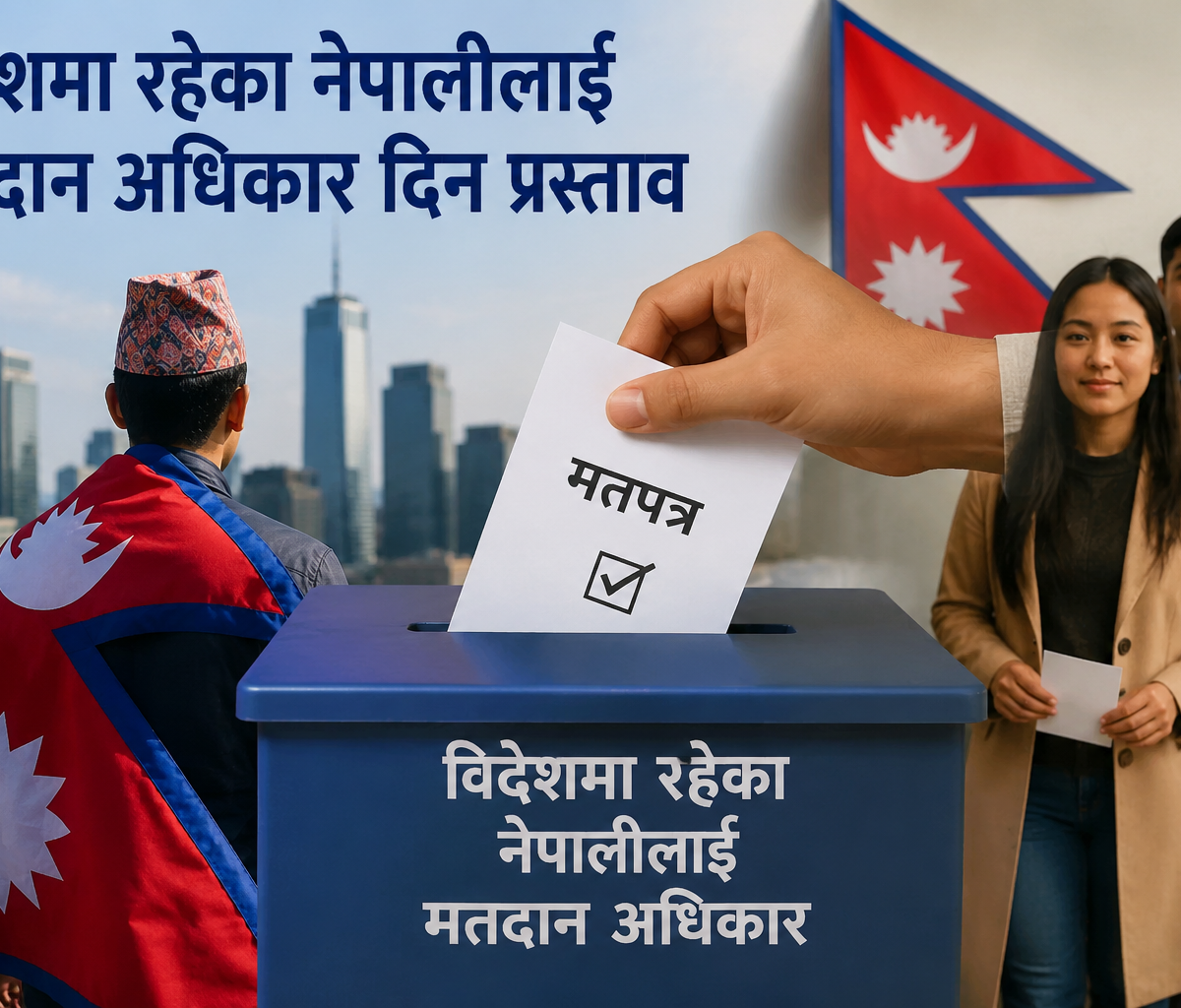
Kathmandu – The Election Commission has submitted a draft of a new election law to the government proposing voting rights for Nepali citizens living abroad, the introduction of a “No Vote” option for dissatisfied voters, and a ban on individuals facing corruption charges from contesting elections.
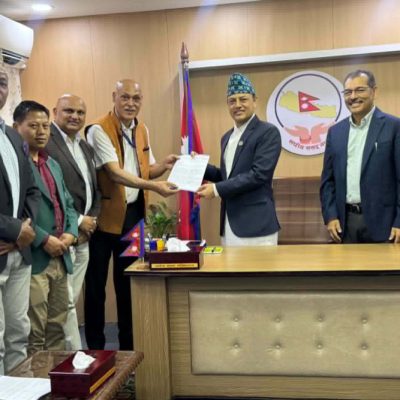
The draft, prepared with the aim of making election management more transparent, accountable, and inclusive, has been forwarded to the Ministry of Home Affairs. An earlier version of the unified election law was stalled after concerns that it imposed excessive restrictions on political parties. The Commission has now revised the proposal with additional reforms and new provisions.
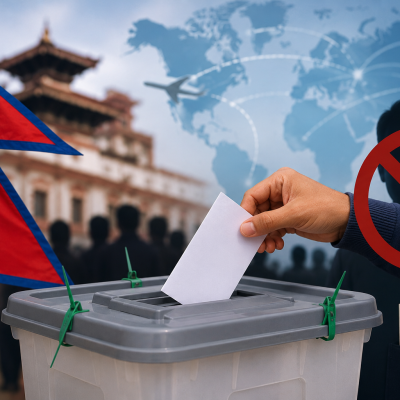
One of the key proposals is to allow Nepalis living overseas to participate in elections. Under the plan, voter information would be collected through Nepali embassies, diplomatic missions, and relevant agencies abroad, enabling eligible citizens to cast their votes. The measure is expected to address long-standing demands from the Nepali diaspora for voting rights.
The draft also proposes a “No Vote” option, allowing voters to formally indicate that none of the candidates are suitable. The Commission says the provision would strengthen democratic practice by giving voters a clearer way to express their views.
Significant changes have also been proposed regarding candidate eligibility. Currently, individuals can contest elections unless they have been convicted by a court. Under the new proposal, anyone facing a corruption case would be disqualified from running for office, even before a final court verdict.
Another proposed provision would prevent candidates who lose an election at one level from contesting another election until the end of that electoral term. According to the Commission, this would help make the electoral process more organized and responsible.
The draft further includes provisions for advance voting. Election officials, security personnel, observers, citizens traveling abroad, people undergoing medical treatment, and others in special circumstances would be able to vote early from designated locations.
To increase women’s political participation, political parties would be required to nominate at least 33 percent women candidates in direct elections. At the local level, a minimum of 33 percent of ward chairperson candidates would also need to be women, with parties facing possible cancellation of candidacies if they fail to comply.
The Election Commission has additionally proposed that it be given the authority to set election dates independently. At present, election dates are determined based on government recommendations.
Other proposed reforms include increasing security deposit requirements for candidates and political parties, requiring presidential and vice-presidential candidates to submit deposits, and reducing the election “silence period” from 48 hours to 24 hours.
If implemented, the Commission’s proposals are expected to bring major reforms to Nepal’s electoral system, strengthening transparency, accountability, and voter participation.