
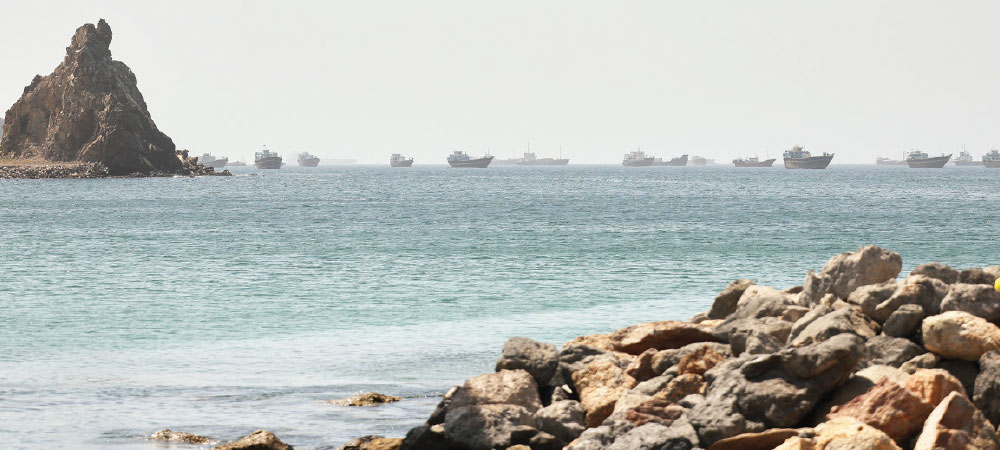
Dubai: Oil and cargo vessels have resumed sailing through the Strait of Hormuz using a new route along Oman’s coastline, despite fresh warnings from Iran’s Revolutionary Guard, offering cautious relief to global shipping following weeks of disruption.
The new maritime corridor, established by Oman and the International Maritime Organization (IMO), has enabled several tankers and container ships to safely exit the strategic waterway, through which around one-fifth of the world’s oil and natural gas supplies normally pass.
The reopening comes as the United States and Iran continue negotiations on implementing last week’s 60-day interim agreement aimed at ending the recent conflict. However, disagreements over shipping security, Iran’s nuclear programme and other key issues continue to fuel uncertainty.
Iran’s Revolutionary Guard has rejected the new shipping route, insisting vessels should only use routes approved by Tehran and warning that unauthorized transit is “dangerous.” Despite the warning, no major incidents have been reported, although Iranian forces reportedly threatened at least one tanker earlier this week.
US Secretary of State Marco Rubio met Gulf Cooperation Council (GCC) leaders in Bahrain on Thursday, assuring regional allies that any future agreement with Iran would protect Gulf security and guarantee safe passage for commercial shipping.
Meanwhile, tensions remain high across the region after Israel carried out an airstrike in southern Lebanon, its first since the latest ceasefire took effect, raising concerns that renewed violence could undermine the fragile US-Iran diplomatic process.
Shipping data shows maritime traffic through the Strait of Hormuz is gradually recovering, though it remains below pre-conflict levels as authorities continue efforts to restore confidence in one of the world’s most important energy trade routes.
News Source: Associated Press (AP)