

Many people visit a doctor only after becoming seriously ill. However, health experts say that regular health check-ups are one of the most effective ways to prevent disease, detect illnesses early, and live a longer, healthier life.
Routine medical examinations help identify health problems before symptoms appear. Conditions such as high blood pressure, diabetes, heart disease, kidney disorders and certain types of cancer often develop silently. Without regular screening, these illnesses may remain undetected until they become severe and more difficult to treat.
“Prevention is always better than cure,” say healthcare professionals, emphasizing that a simple annual health check can significantly reduce the risk of life-threatening diseases.
Early Detection Saves Lives
Doctors explain that diseases discovered in their early stages are often easier, less expensive and more successful to treat.
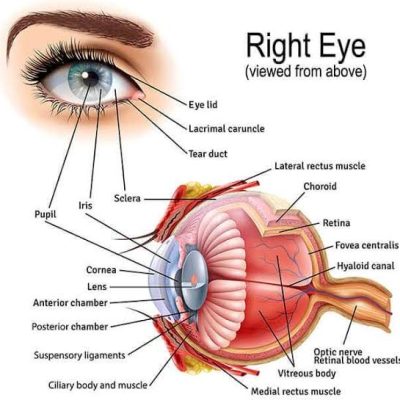
For example, regular blood pressure monitoring can prevent heart attacks and strokes, while blood sugar testing can identify diabetes before complications develop. Likewise, cholesterol screening, cancer screening, eye examinations and dental check-ups all play important roles in maintaining long-term health.
Health check-ups also allow doctors to evaluate lifestyle habits, provide nutritional advice, recommend vaccinations and identify mental health concerns such as stress, anxiety and depression.
Benefits Beyond Disease Detection
Routine health examinations offer several advantages:
- Detect illnesses before symptoms appear.
- Reduce the risk of serious health complications.
- Lower long-term medical expenses through early treatment.
- Improve quality of life and life expectancy.
- Encourage healthier lifestyles through professional guidance.
- Monitor chronic conditions such as diabetes and hypertension.
- Promote mental and emotional well-being.
Who Should Get Regular Check-Ups?
Medical experts recommend that adults undergo a general health examination at least once a year. Individuals over 40 years of age or those with a family history of diabetes, heart disease, high blood pressure or cancer may require more frequent screenings.
Children should receive regular growth and developmental assessments, while pregnant women should attend scheduled antenatal check-ups to ensure the health of both mother and baby.
Senior citizens are encouraged to monitor bone health, vision, hearing, memory and cardiovascular health regularly.
Healthy Lifestyle Still Matters
Doctors stress that health check-ups are not a substitute for healthy living. Regular exercise, a balanced diet rich in fruits and vegetables, adequate sleep, avoiding tobacco, limiting alcohol consumption and managing stress remain essential for preventing disease.
Combining healthy habits with routine medical examinations provides the strongest protection against many chronic illnesses.
Investing in Your Future
Many people avoid health screenings because they feel healthy or fear discovering a serious illness. Experts warn that delaying medical check-ups can result in missed opportunities for early diagnosis and treatment.
A routine health examination may take only a few hours, but it can provide peace of mind and potentially save a life.
As healthcare professionals often remind patients, the best time to detect a disease is before it causes symptoms—not after it becomes an emergency. Making regular health check-ups a yearly habit is one of the smartest investments anyone can make for a healthier future.