
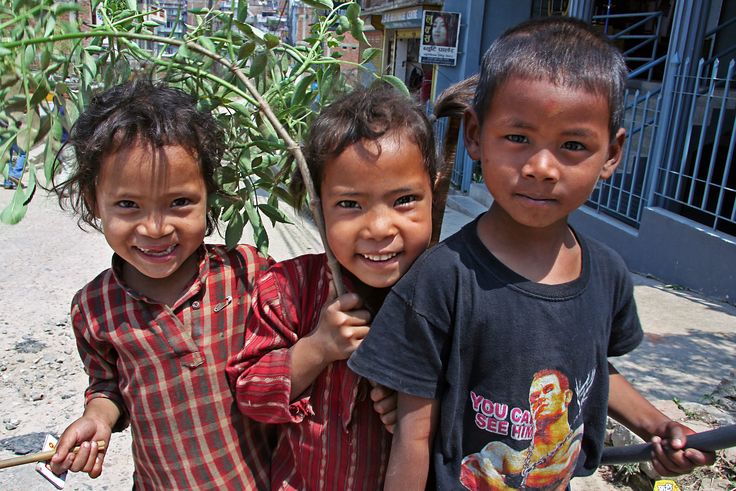
Kathmandu – More than 18,000 children across Nepal have been identified as suffering from Severe Acute Malnutrition (SAM) under the government’s nationwide National Nutrition Assessment Campaign, highlighting a serious public health challenge.
According to data released by the Department of Health Services under the Ministry of Health and Population, 18,309 children were found to be severely malnourished, while 88,205 children were diagnosed with acute malnutrition.
The nationwide campaign, conducted from April 28 to May 28, screened 1,035,201 children aged between six and 59 months to assess their nutritional status, identify cases of malnutrition early, and ensure timely treatment.
Lila Bikram Thapa, Chief of the Nutrition Section at the department, said the number of severe cases appears high because the campaign was carried out simultaneously across the country for the first time. He added that future nutrition programs and interventions would be designed based on the findings.
Madhesh Province Records Highest Number of Cases
Provincial data shows that Madhesh Province has been the worst affected, with 8,380 children suffering from severe acute malnutrition. It is followed by:
- Lumbini Province – 3,015 cases
- Sudurpashchim Province – 1,758 cases
- Koshi Province – 1,590 cases
- Karnali Province – 1,503 cases
- Bagmati Province – 1,401 cases
- Gandaki Province – 662 cases
Madhesh also recorded the highest number of children with acute malnutrition overall, with 38,948 cases, followed by Lumbini (17,879), Sudurpashchim (9,344), Koshi (6,596), Bagmati (6,480), Karnali (5,989), and Gandaki (2,969).
Treatment and Recovery Measures
Health experts say children suffering from severe acute malnutrition often become extremely thin and physically weak, with visible signs of wasting. These children are provided with Ready-to-Use Therapeutic Food (RUTF), which has proven effective in improving their health in most cases.
For children who do not recover through standard treatment, the government operates 25 Nutrition Rehabilitation Centres across the country, where mothers and children receive specialized care, monitoring, and nutritional support.
Nutrition Monitoring to Continue
The government has announced plans to make the National Nutrition Assessment Campaign a regular program from the next fiscal year. Authorities aim to continuously monitor the nutritional status of children and mothers and strengthen interventions to reduce malnutrition nationwide.
The latest findings underscore the urgent need for targeted nutrition programs, particularly in vulnerable regions such as Madhesh, where the burden of child malnutrition remains significantly higher than the national average.