
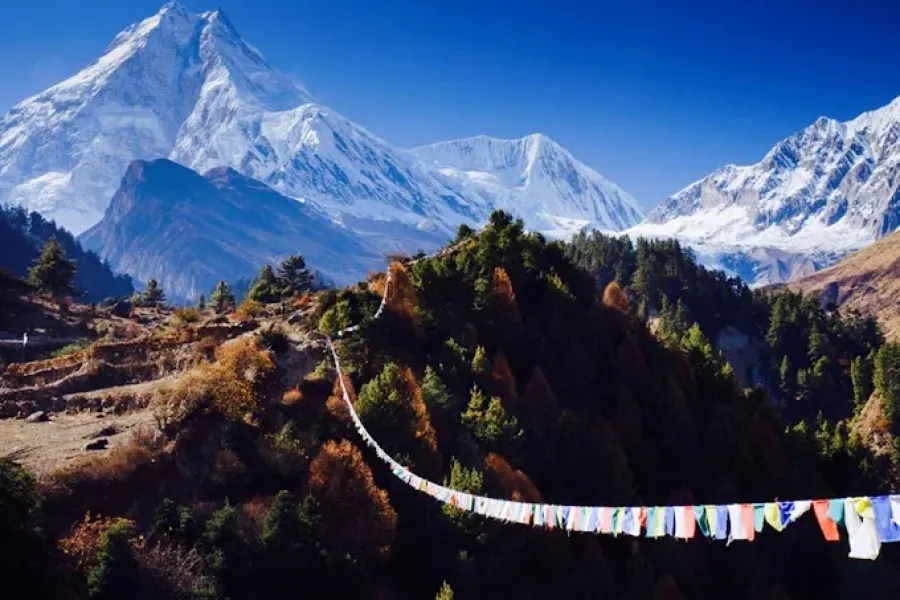
KATHMANDU: For climbers and trekkers heading towards Manaslu with dreams of reaching one of the world’s most challenging Himalayan peaks, the start of this year’s autumn season has brought an unexpected obstacle.
Flooding in the Budhigandaki River and Therang Khola in Namrung, Ward No. 4 of Chumnubri Rural Municipality in northern Gorkha, has damaged bridges and key trekking routes, disrupting tourism activities in the Manaslu region.
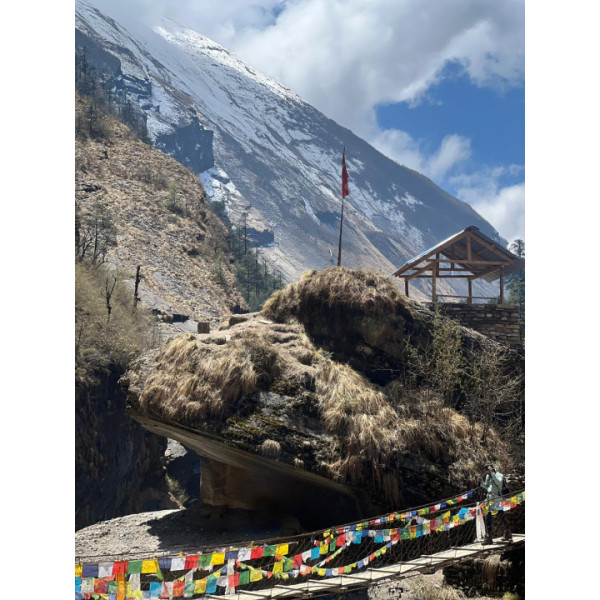
The floods, which struck on Sunday morning within the Manaslu Conservation Area, swept away two important bridges and damaged major sections of the trekking trail. Local residents and tourists have been temporarily stopped from travelling along the affected routes towards Manaslu and Larke Pass.
According to Assistant Chief District Officer Netra Prasad Sharma, the flood swept away an iron bridge connecting Wards No. 4 and 2 of Chumnubri Rural Municipality, as well as a suspension bridge over the Budhigandaki River on the route from the rural municipality towards the Namrung forest.
Damage to the two key trekking trails has affected tourists travelling towards Samagaun for mountaineering and trekking. Sharma said tourists already on their journeys, as well as those preparing to travel for the Manaslu expedition and trekking, have been advised not to proceed until further notice.
Although no human casualties have been reported, the damage to the Manaslu and Larke Pass trekking routes has created a significant challenge at the beginning of one of the most important periods for Nepal’s mountain tourism industry.
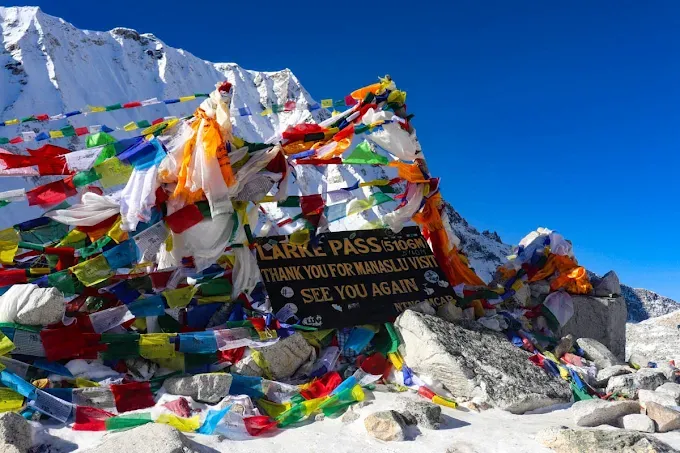
A Major Climbing Season Faces a New Obstacle
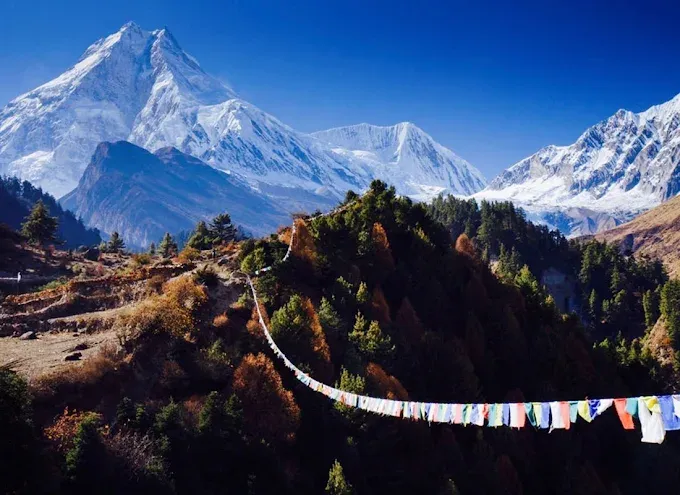
The autumn season is considered one of the key periods for climbing Manaslu, attracting mountaineers from around the world. However, the damage to the trekking trails and bridges just as the climbing season begins could have a direct impact on climbers, tourism operators and communities whose livelihoods depend on visitors to the region.
Authorities are now working with police and local governments to reopen the blocked routes as soon as possible. Restoring damaged trails and ensuring safe access to the affected areas have been given priority.
According to the Department of Tourism, 348 climbers in 29 expedition teams have obtained permits to climb Manaslu during this year’s autumn season. Of them, 263 are men and 85 are women.
The climbers include 55 from China, 39 from Russia, 32 from the United States, 27 from France, 24 from the United Kingdom and 15 from Nepal, with climbers from several other countries also preparing for the expedition.
The figures underline the wider significance of the flood damage, which affects not only local transportation but also Nepal’s mountain tourism industry and the economy of communities dependent on trekking and climbing.
367 Climbers Prepare as Route Work Continues
For the autumn climbing season, a total of 367 climbers in 32 teams have obtained permits to climb Manaslu, Makalu and Danga Himal, according to the Department of Tourism.
Three climbers have received permits for Makalu, while 16 have obtained permits for Danga Himal. The government has collected Rs 159.62 million in revenue from climbing permits for the three mountains.
Meanwhile, the Mountaineering Operators Association says work is progressing rapidly to prepare routes and fix ropes for the autumn climbing season.
A seven-member team of highly skilled Sherpas, commonly known as the Icefall Doctors, has already prepared the route up to the second base camp on Manaslu. Once the route to the summit is completed, the main climbing route will be opened for all expedition members.
However, the latest flooding has added another challenge to the season. It is not only the route up the mountain that must be prepared—the route leading climbers safely to the mountain must also be restored.
As climbers from around the world continue arriving in Nepal for the autumn Manaslu season, the immediate priority is to repair the damaged bridges and trekking trails and restore safe access to the region.
How quickly that work is completed, through coordination between local authorities, security agencies and the tourism sector, will play a crucial role in determining how smoothly this year’s Manaslu climbing and trekking season can proceed.