

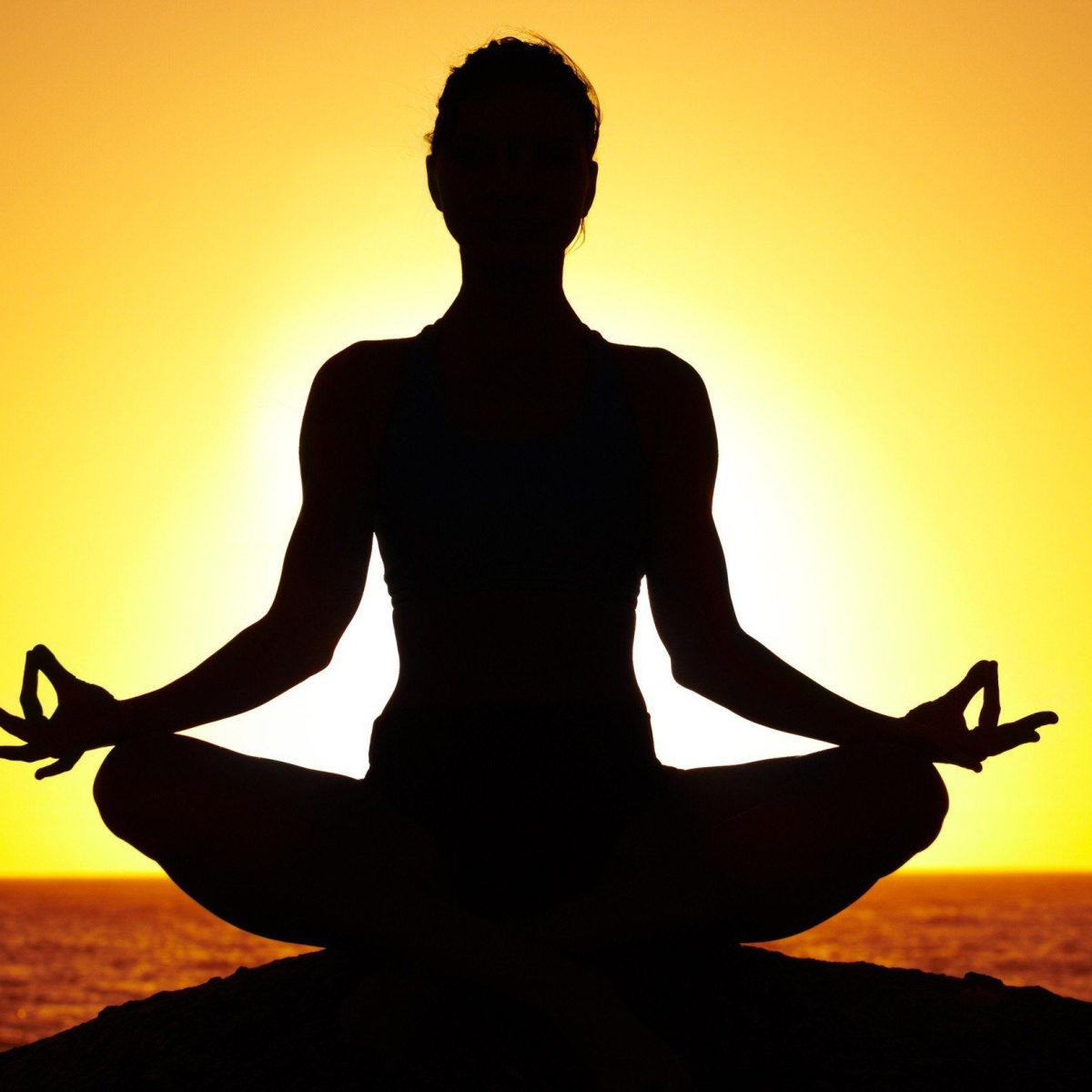
Every year, millions of people around the world roll out their yoga mats believing yoga is simply a form of physical exercise. While stretching, flexibility and fitness are certainly benefits, they represent only a small part of an ancient philosophy that has guided humanity for thousands of years.
Yoga is not merely about mastering difficult postures or improving physical strength. It is a complete science of life—a holistic system that nurtures the body, calms the mind, strengthens the spirit, and promotes harmony with society and nature.
The wisdom of yoga, as explained in Hindu scriptures and classical philosophy, offers practical guidance for living a meaningful, healthy and balanced life in an increasingly stressful world.
Two Great Definitions of Yoga
The concept of yoga has been beautifully explained by two of India’s greatest spiritual teachers. In the Bhagavad Gita, Lord Krishna defines yoga through the famous verse “Yoga Karmasu Kaushalam,” meaning “Yoga is excellence in action.” Through Karma Yoga, Krishna teaches that every individual should perform their duties with dedication, honesty and skill, without becoming attached to personal gain or the outcome of their actions.
This philosophy encourages people to work with sincerity rather than anxiety. When actions are performed without greed, ego or expectation, the mind naturally becomes peaceful and focused.
Centuries later, Maharishi Patanjali, regarded as the father of classical yoga, offered another profound definition in the Yoga Sutras: “Yogas Chitta Vritti Nirodhah” — Yoga is the cessation of the fluctuations of the mind.
According to Patanjali, the greatest obstacle to happiness is not external circumstances but the restless nature of the human mind. Endless thoughts, emotions, desires, fears and distractions prevent people from experiencing true peace.
Yoga, therefore, becomes the process of calming the mind and achieving complete harmony between body, mind and consciousness.

The Eight Limbs of Yoga
Patanjali outlined a comprehensive roadmap known as Ashtanga Yoga, or the Eight Limbs of Yoga.
These include:
- Yama – Ethical values such as non-violence, truthfulness and compassion.
- Niyama – Personal discipline, cleanliness, gratitude and self-reflection.
- Asana – Physical postures that strengthen and prepare the body.
- Pranayama – Breathing techniques that regulate life energy.
- Pratyahara – Withdrawal from unnecessary sensory distractions.
- Dharana – Concentration and mental focus.
- Dhyana – Deep meditation and mindfulness.
- Samadhi – The highest state of inner peace and self-realisation.
These eight practices work together to create complete human wellbeing rather than simply physical fitness.
Yoga and the Eight Dimensions of Wellness
Modern health experts increasingly recognise that true health extends far beyond the absence of disease. Wellness involves achieving balance across every aspect of life.
Yoga naturally supports all major dimensions of wellness.
Physical wellness is developed through movement, balanced nutrition, proper rest and healthy living.
Mental and emotional wellness grows through meditation, breathing exercises and self-awareness, helping individuals manage stress, anxiety and negative emotions.
Social wellness encourages kindness, empathy, healthy relationships and compassion toward all living beings.
Environmental wellness reminds us to live sustainably by protecting forests, rivers, wildlife and natural resources.
Occupational wellness inspires individuals to find purpose in their work while maintaining a healthy balance between professional responsibilities and personal life.
Financial wellness promotes responsible spending, wise investments and contentment rather than endless material desire.
Intellectual wellness encourages lifelong learning, creativity, curiosity and openness to new ideas.
Ethical and spiritual wellness nurture honesty, integrity, self-discipline and a deeper connection with oneself, humanity and the universe.
Together, these dimensions demonstrate that yoga is a comprehensive lifestyle rather than a daily exercise routine.
Yoga in an Age of Stress
The relevance of yoga has never been greater.
Rapid urbanisation, digital dependence, workplace pressure, unhealthy lifestyles and social isolation have contributed to a global rise in physical illness, anxiety and depression.
According to global health estimates, nearly 800,000 people die by suicide every year, with young people between 15 and 29 years among the most affected age groups.
Scientific studies continue to demonstrate that regular yoga practice reduces stress hormones, improves cardiovascular health, enhances immunity, strengthens muscles and flexibility, improves sleep quality and supports emotional resilience.
The U.S. National Institutes of Health (NIH) also recognises yoga as a valuable complementary health practice that contributes to both physical and psychological wellbeing.
Nepal’s Opportunity to Lead Global Wellness Tourism
As worldwide interest in yoga, meditation and holistic healing continues to grow, Nepal is uniquely positioned to become an international wellness destination.
The birthplace of Lord Buddha and home to the Himalayas offers a natural environment ideally suited for meditation, yoga retreats, Ayurveda and spiritual tourism.
Recognising this potential, the United Nations recently proclaimed April 15 as International Wellness Day following Nepal’s proposal.
The Government of Nepal has also announced 2027 as “Wellness Tourism Year” and introduced the National Wellness Tourism Strategy 2026–2035, aiming to establish Nepal as a global centre for yoga, meditation, natural healing and traditional wellness practices.
The strategy seeks to increase international health and wellness tourism while creating employment opportunities and promoting sustainable economic development.
A Way of Life
In today’s fast-paced world, yoga offers more than physical health—it provides a philosophy for living with awareness, compassion and balance.
Whether practiced through mindful breathing, meditation, ethical living or selfless service, yoga reminds us that true success is not measured solely by wealth or achievement but by inner peace, meaningful relationships and harmony with nature.
Ultimately, yoga teaches that wellness begins within. When the body is healthy, the mind is calm, and the heart is compassionate, individuals become capable of contributing positively to their families, communities and the world.
Yoga is not simply an ancient tradition—it is a timeless guide to building healthier people, stronger societies and a more peaceful future.